ux design.
cms idm.
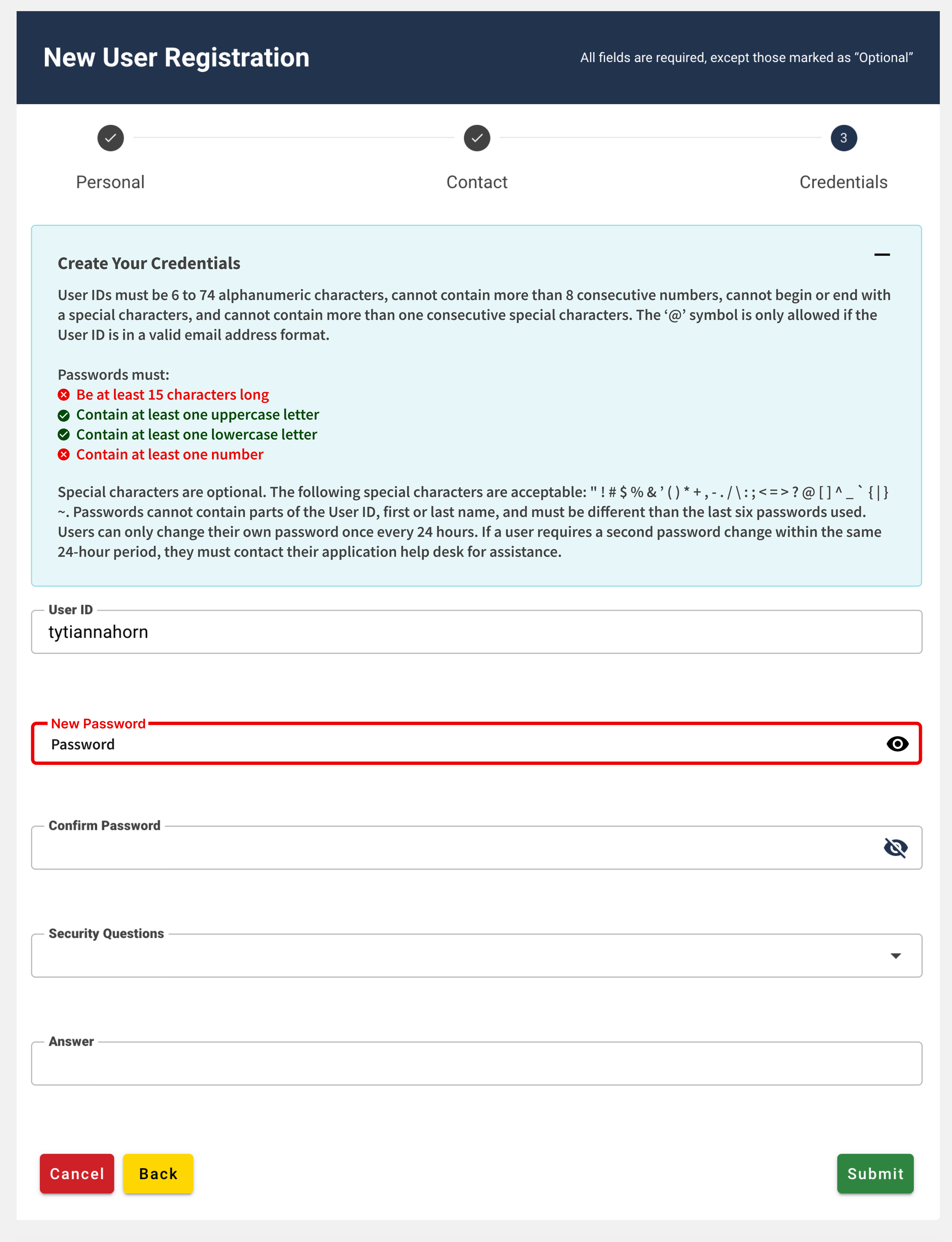
Identity Management (IDM) is leveraged by the Center for Medicare and Medicaid Services (CMS) business applications across the agency. IDM allows users of CMS’ integrated applications to sign in with one set of credentials. If you’re familiar with Workday’s application process, this is the opposite of that.
-
Users need to be granted access to specific CMS applications as members of a certain role or group. To do this, they must fill out a role request form through their account dashboard.
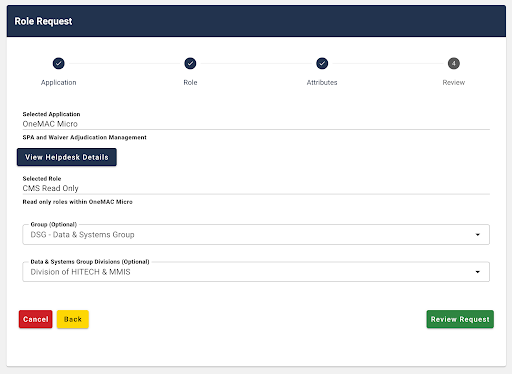
"I don't know what to do on this page." When progressing through the role request process, step indicators at the top of the page don’t give users an accurate preview of what the process will be like since the steps change dynamically depending on user selections (application, group, role, etc.)
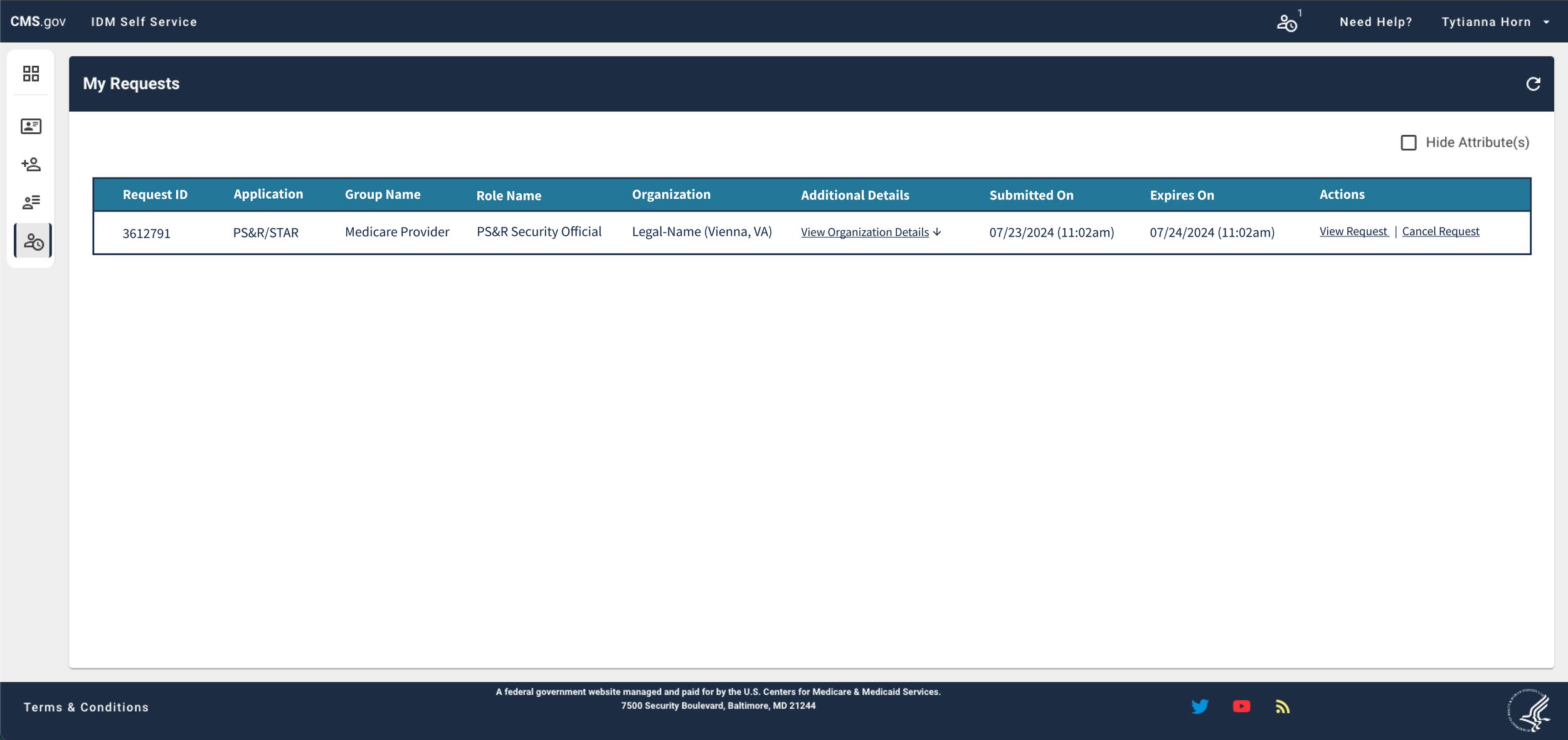
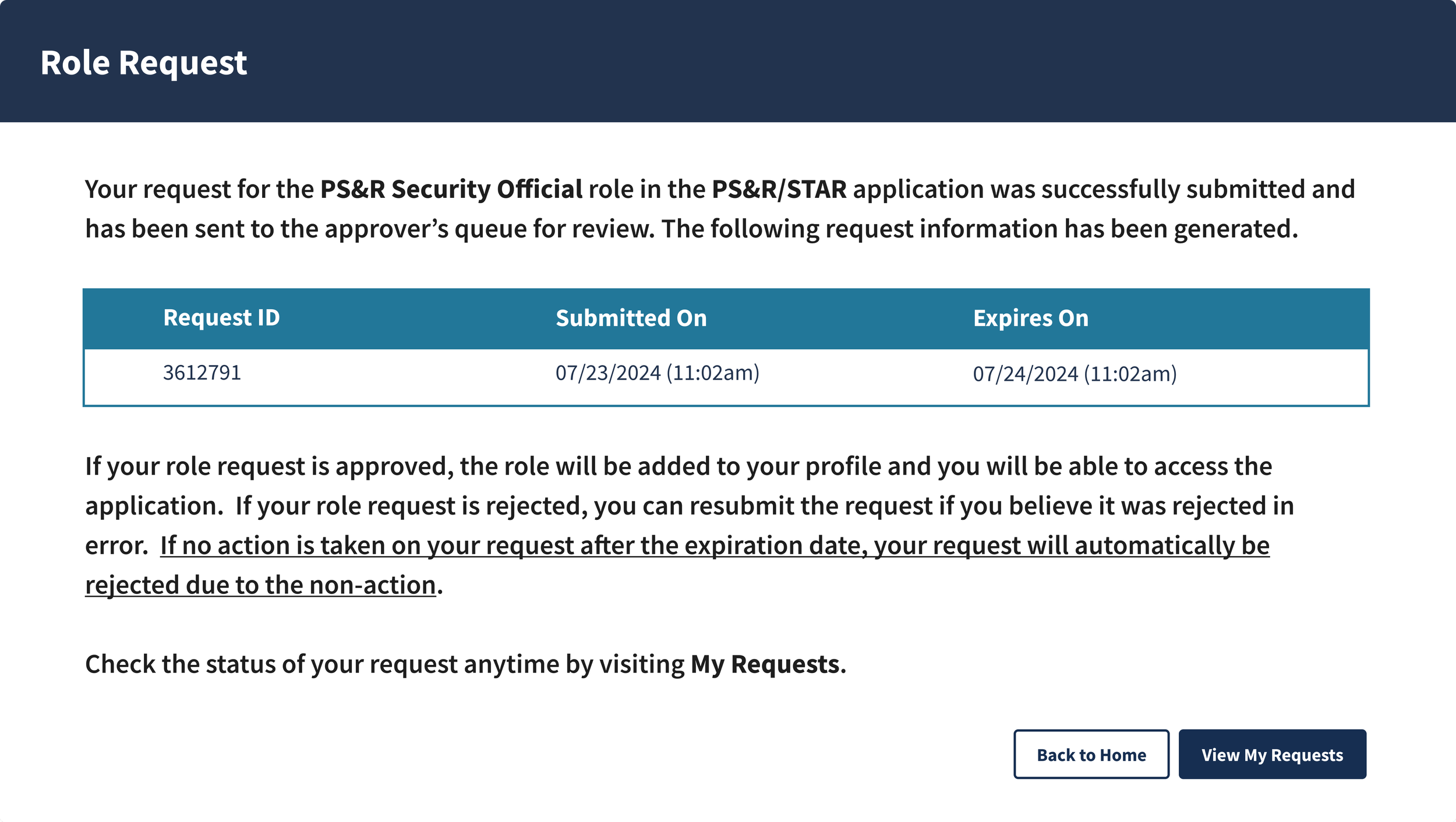
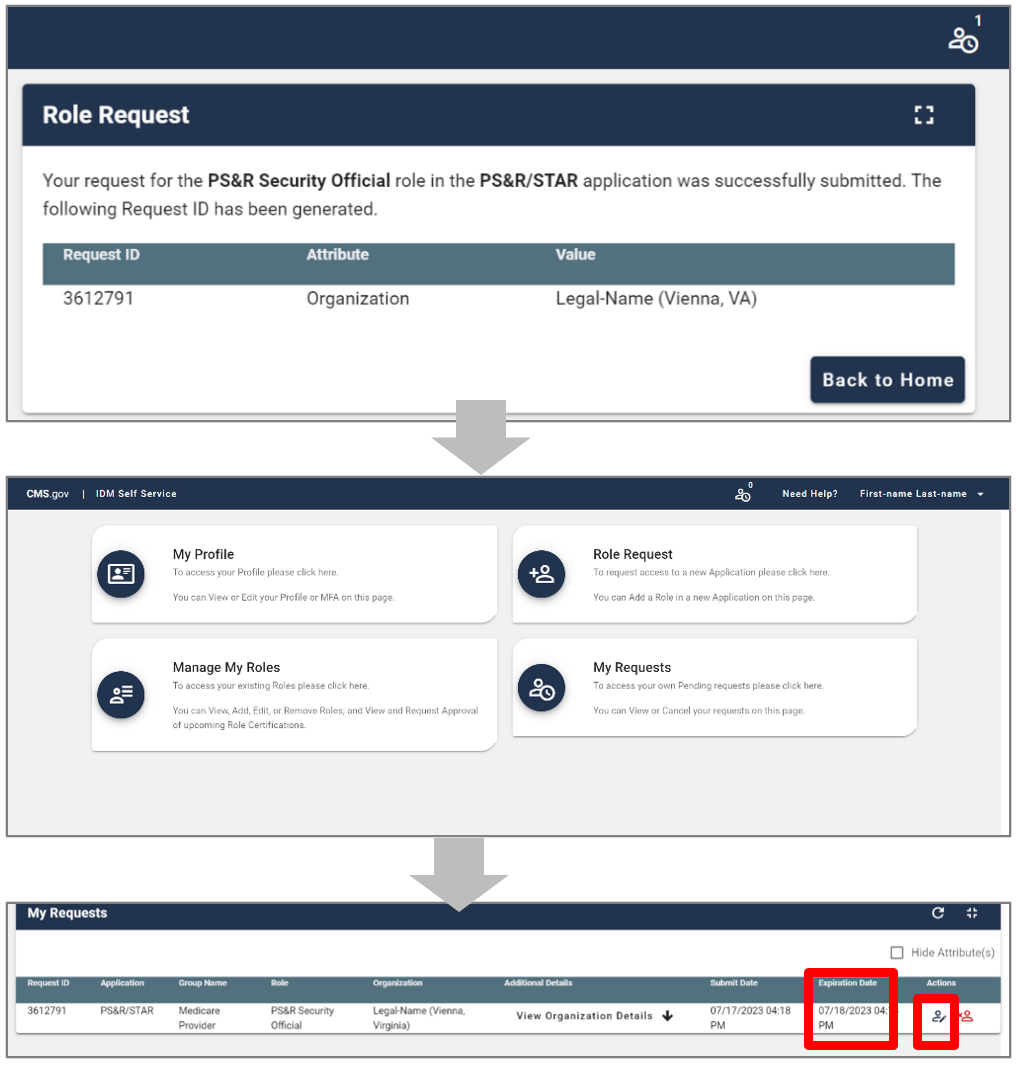
“What happens when I’m done?” Users are not informed of the next steps for approval nor given any sort of timeline. There is no way to follow up or check on what status a request is in.
-
Improve clarity of workflows
Add informative text to screens
Create and update copy and verbiage for error messages
Explain and defend design decisions
Explain design decisions to stakeholders for approval
Communicate directly with development teams to make changes and clarify validation
-
Form-filling process
Added context to each page
Reformatted the Helpdesk Details button to be less prominent but still visible
Improved the design of the step icons, highlighting which step is active
Made required fields more notable
Post-submission
Updated content and improved the design of the post-submission message
Added new columns to the My Requests page
-
Speed: With so many things changing relatively quickly, I must meet deadlines— even if that deadline is the next day
Versatility: Having side tasks and projects where I’m able to create and iterate quickly has helped me build my design skillset
Relationship Building: Being the go-to designer for legacy enhancements has helped me build a strong relationship with our stakeholders and developers
Creativity: Our legacy application has no design system, meaning every change I make has to be built out or designed over
Solutioning: When given feedback about a specific feature or function of our application, the solution isn’t always obvious, but a little brain power goes a long way
Technical feasibility: I have to work directly with development to find a solution that solves the problems and doesn’t take them away from their other work